Company Profile


Winlong devote ourselves to produce and sell the integrated wall panels and SPC/WPC/LVT flooring over 14 years in China. You can directly send us your samples, design drawings or your design ideas. Our experienced designers will make your ideas come true. On this website, we just exhibit some of the hot-selling designs, if you want to see the others, you send us online inquiry, We will 100% meet your need. Look forward to cooperation with you!

Why Choose Us


Production Equipment
We have cultivated a team of engineers with over 20-year experience, introduced advanced manufacturing equipment from home and abroad, built 15 modern production lines, and accumulated over 5,000 molds.Every year, we output 1,000,000 sets of wall panelings.


Production Market
Mostly in the Middle East, Europe, Southeast Asia


Our Certificate
Environmental protection test report, formaldehyde test report, combustion grade heavy metal, ISO9001 quality system certification,CCC quality certification, moisture content Flexural and elastic test report and More than 600 utility model patent certificates, design patents.


Our Service
House design with established experience allows our factory to quickly answer to demanding requirements as well as create from scratch whole programs and collections with rigorous quality standards.
We position ourselves as a China-based global integrated wall panelings provider who helps clients develop and design differentiated products, with the aim of helping them win more market share.

First 12 Last
What is Flooring


Flooring is a term used in the construction and building industry to describe the surface that covers the ground or base of a structure. It refers to the material or covering installed on top of a subfloor or foundation, which provides a stable, smooth, and durable surface for walking, working, and other activities.


Flooring can be made from various materials such as wood, tile, carpet, vinyl, laminate, concrete, and stone. Each type of flooring has its own unique properties such as durability, strength, moisture resistance, slip-resistance and aesthetic appeal.

Benefits of Flooring


Strength And Durability
High-quality hardwood floors are manufactured, installed, and finished based on specific standards. They are made to last and stay durable for generations.
flooring can endure busy working areas and heavy foot traffic. When finished right, hardwood floors are hard-wearing, durable, and sturdy – overall, this is one of the best flooring advantages.


Healthy Indoor Air Quality
Floors are made out of wood, and as such, they are 100% natural. Having a wholly natural product means having better air quality in your home.
In addition, if you choose the best hardwood floors for dogs, and maintain them right, you can expect your flooring to stay new for decades.


Superior Look
Flooring offers the warmth, timeless beauty, and value of wood, which never goes out of style. Plus, hardwood floors are a great option if you are searching for a more spacious effect.
Outwardly some flooring products are similar to hardwood floors, such as laminate. It’s common for people to see hardwood floors and laminate as one product, although they are separate products.
Laminate flooring is plastic flooring, while hardwood floors are 100% natural. Some engineered flooring can have a lamination of wood.


Variety
When you choose flooring, you will be presented with a rich display of choices. Since wood flooring is natural, it is easy to work with and transform the original wood to another shade or even color.
This trait makes hardwood more authentic. If and when you get bored of the same color, you can stain them. Plus, you could also mix and match the woods to give the flooring a more exciting look.


flooring Can Increase Your Home Value
Flooring looks more elegant with age and is less prone to damage opposite to your carpet or even vinyl flooring.
Since wood flooring is timeless, it’s always in style. You can continuously refresh your flooring to its original state.

 
Type of Flooring
 
01/

Laminate Flooring
Laminate flooring is perfect if you want the look of hardwood flooring without the high price point. Though most laminate looks like wood, it can also reliably mimic the look of stone and tile.
Many laminate options even feature an embossed wear layer to add a texture that makes the imitation more convincing.

02/

Vinyl Flooring
Vinyl flooring is inexpensive and highly durable, making it a great flooring option for those with kids and pets. Best of all, vinyl flooring is easy to install, saving you the cost of professional installation. A downside is that vinyl flooring requires a perfectly level, smooth, and flat subfloor. Other types of flooring can bridge minor imperfections, but vinyl flooring cannot.

03/

Tile Flooring
Tile flooring is an extremely popular option with supreme durability and easy maintenance. From large-format tiles to penny tiles, the scale can be adjusted to better fit different-sized spaces, while the various materials, colors, and patterns offer plenty of stylish combinations.

04/

Bamboo Flooring
Bamboo flooring is a low-maintenance, durable alternative to hardwood flooring. This highly renewable material is often mistaken for wood when it's technically a type of grass. However, as a flooring material, it's comparable to wood in terms of appearance.

05/

Stone Flooring
Stone flooring is one of the most luxurious flooring options on the market. However, this luxury comes at a high price. Whether on its own or paired with other natural materials like hardwood, stone can make a major style impact on your space.

06/

Concrete Flooring
Concrete floors are as low maintenance as they get. Concrete is easy to clean and has unmatched durability, so concrete is the best choice for high-traffic areas.Concrete floors aren't always the first choice of many homeowners, as they yield a specific aesthetic.

 
The Impact of Flooring on Longevity and Durability

The right floor finish can significantly enhance the longevity and durability of your floors. It acts as a protective layer, shielding the floor from physical and chemical damage. This not only extends the life of your floors but also maintains their aesthetic appeal over time.


Different finishes offer varying levels of protection. For example, hardwood finishes penetrate the wood and harden to form a protective layer that resists scratches and wear. Vinyl finishes, on the other hand, provide a wear layer that is resistant to stains and moisture.


Epoxy and polyurethane finishes form a hard, high-gloss surface that can withstand heavy traffic and chemical spills. Ceramic finishes, meanwhile, offer excellent resistance to water, stains, and wear, making them ideal for areas prone to moisture.

Four Applications Flooring
 

Retail Spaces
Flooring is notable for its rustic feel and its ability to work with a variety of aesthetics. If you operate a retail space, flooring can be perfect. Many independently operated shops must set themselves apart from the massive retailers they compete with, and a hardwood floor can be a great selling point. Far more inviting than the thin industrial-style carpeting of superstores, wooden floors provide a more intimate and comfortable shopping experience.


Offices
Hardwoods and cubicles don’t often go hand in hand, but as the American office changes, so too do its aesthetics. Gone are the beige and dreary walls and cubicles. Instead, modern offices opt for open floor plans and natural light. Commercial flooring for offices is becoming more common, and many employees enjoy working in unique spaces that avoid traditional office pitfalls like thin, drab carpet and cookie-cutter decor. Another unique benefit of hardflooring over carpeting is that these floors are hypoallergenic.

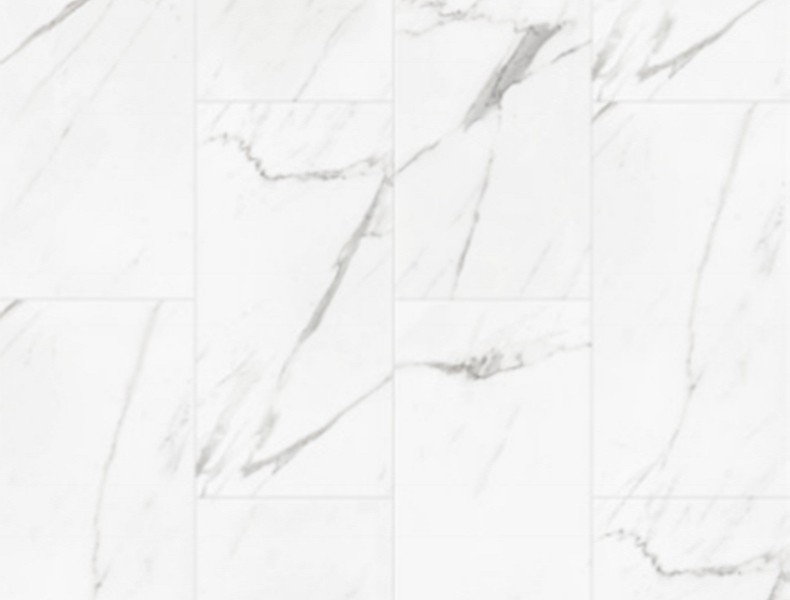
Marble SPC Flooring


Carpet Grain SPC Flooring

GYMS
A gymnasium is a no-brainer for flooring. Wooden flooring in a gym just makes sense. From team sports to solo exercise in the form of jogging and running along a track, hardwood is the right choice. Commercial wood floors provide the right bounce for basketball and offer excellent visibility for painted lines for sports like basketball and volleyball. It’s hard to separate the aesthetic of hardwood floors from indoor sports, and there’s a good reason for that.


Concert Halls And Stages
Wooden floors are great for acoustics, which is why they are used so frequently in concert halls and on stages across the globe. When selecting flooring near you, you might be a bit overwhelmed. Trotting the boards of a stage is important, but the exact material of your stage may not be critical to you. Fortunately, the experts can help guide you and determine what flooring works for your needs.

Flooring Installation Process


Assessing Your Space
Before any flooring can be installed, it’s essential to thoroughly assess the area where the new flooring will be laid. This step involves measuring the space, checking for any existing issues such as uneven subfloors or moisture problems, and determining the type of flooring that will best suit your needs and lifestyle.

Measuring and Estimating Materials
Accurate measurements are crucial to ensure you purchase the correct amount of flooring material. A professional installer will typically measure the length and width of each room and calculate the square footage. They will also consider any irregularities or unique features in the space, such as closets or staircases, which may require additional materials or special cutting techniques.


Preparing the Subfloor
The subfloor serves as the foundation for your new flooring, so it must be in good condition before installation begins. Depending on the type of flooring being installed, the subfloor may need to be cleaned, leveled, or repaired. In some cases, an underlayment may be required to provide additional support, reduce noise, or offer moisture protection.

Acclimation of New Flooring
Certain types of flooring, particularly hardwood and laminate, need to acclimate to the environment in which they will be installed. This involves letting the flooring material sit in the room for several days to adjust to the temperature and humidity levels. Acclimation helps prevent issues such as warping or gaps after installation.

Laying the Flooring
Once the subfloor is prepared and the new flooring has acclimated, the actual installation can begin. The installation method will vary depending on the type of flooring. For example, hardwood floors may be nailed or glued down, while laminate and vinyl often use a click-lock system. Tile flooring requires precise placement and the application of grout to fill the spaces between the tiles. A professional installer will ensure that the flooring is laid evenly, with careful attention to detail, such as aligning patterns and making precise cuts around obstacles.

Trimming and Transitions
After the flooring is laid, the installer will add the finishing touches, such as trim and transition pieces. Trims, such as baseboards or quarter-round molding, are installed around the edges of the room to cover the expansion gaps and provide a clean, polished look. Transition pieces are used where the new flooring meets another type of flooring, such as at doorways or between rooms with different floor materials.


Cleaning and Inspection
Once all the flooring and trim are installed, the area will be thoroughly cleaned to remove any dust, debris, or adhesive residue. The installer will also conduct a final inspection to ensure that everything is properly installed and meets quality standards. This is the time to address any concerns or adjustments before the project is considered complete.

 
What Happens If You Do Not Maintain Your Flooring Properly?
 

Regular Maintenance Prevents Flooring from Wear and Tear
Wear and tear on the flooring surface is a common problem, especially in high-traffic areas, such as stores or kitchens. There will be a lot of dents, scratches, and damages over time if you do not follow a regular floor maintenance schedule.


Neglecting Your Floor Reduces Its Lifespan and Property Value
Any lack of care for the flooring, such as accumulation of dirt, use of unsuitable floor cleaning products, or overlooking floor issues, will reduce its durability and strength. As a result, you will need a costly flooring replacement or repair.


Damaged Flooring Poses Safety Hazard
Damaged flooring can lead to different safety and health issues. For example, if there is any loose plank or tile in your store and somebody trips and falls, you are in for legal action. Or, at home, a loose tile in the bathroom or stairs can lead to injuries for children and seniors.


Untreated Stains May Lead to Permanent Discoloration
No matter how careful we are, spills happen, especially in commercial areas or the kitchen. What matters is how quickly we treat the spill to reduce the risk of permanent stains and discoloration on the flooring. This is because the longer it stays on the flooring, the more it is absorbed by the flooring material. Therefore, the resulting stain will become very difficult to remove.


Too Much Moisture Causes Health Risks
Some flooring types, such as carpet or wood, cannot take a lot of moisture. If the spills are not dried immediately, the flooring becomes an ideal place for mold growth. This can pose a lot of health risks for the residents, especially kids and the elderly.


Neglected Floors Spoil the Overall Aesthetic Appeal
Last but definitely not least is the matter of beauty and style. Flooring plays a big role in the overall beauty and style of your place. Neglected floors lose their good shape and color after a while and ruin the whole.

 
Our Factory

Winlong devote ourselves to produce and sell the integrated wall panels and SPC/WPC/LVT flooring over 14 years in China. You can directly send us your samples, design drawings or your design ideas. Our experienced designers will make your ideas come true.


FAQ

Q: What are the three basic types of flooring?

A: Popular flooring options include wood, engineered flooring materials, vinyl, tile and carpet. Learn more about the most common flooring types, the materials' best attributes and the best usage of each one, as well as overall flooring costs.

Q: What is the purpose of flooring?

A: Floor covering, material made from textiles, felts, resins, rubber, or other natural or man-made substances applied or fastened to, or laid upon, the level base surface of a room to provide comfort, durability, safety, and decoration.

Q: What is considered flooring?

A: Floor covering is a term to generically describe any finish material applied over a floor structure to provide a walking surface. Both terms are used interchangeably but floor covering refers more to loose-laid materials. Materials almost always classified as flooring include carpet, laminate, tile, and vinyl.

Q: What is called flooring?

A: Floor covering is a term to generically describe any material applied over a floor structure to provide a walking surface. Flooring is the general term for a permanent or temporary covering of a floor, or for the work of installing such a floor covering.

Q: What is the cheapest type of flooring?

A: Sheet vinyl is probably the cheapest flooring option available. It comes as one large sheet, often 6' or 12' wide, that is simply rolled out to install. Unfortunately, this makes it very heavy and difficult to handle, so it may be best to hire a professional when it comes to installation.

Q: How to identify flooring?

A: To distinguish between natural wood, laminate, and vinyl flooring, observe the pattern repetition on the boards. Natural wood will have unique variations like knots and grain patterns, while laminate and vinyl will show repeated, uniform patterns due to their mass-produced printed layers.

Q: What is best flooring for House?

A: Durable and moisture-resistant choices like ceramic tile, porcelain tile, vinyl plank, linoleum, or engineered hardwood work best in the kitchen. Waterproof tile, vinyl, linoleum, and rubber floors are ideal for humid bathroom spaces. Plush or frieze carpeting helps provide a quiet, cozy bedroom environment.

Q: How is flooring done?

A: Flooring is laid in two parts, upper portion of size 10 mm is known as topping made of cement and sand. After levelling with the help of a straight edge steel trowel is used for smoothening and finishing its top surface. Dry cement or mortar should not be used if some water comes at surface.

Q: Is installing flooring easy?

A: There are many pros and cons to both do-it-yourself flooring installation and hiring a professional. Your decision should be based on your budget and your comfort with standard power tools. Laminate flooring installation has an intermediate level of difficulty, but it can be easy for most homeowners to take on.

Q: What is a flooring person called?

A: Flooring installers and tile and stone setters lay the materials that improve the look and feel of homes, offices, restaurants, and other buildings. Many of these workers install materials on floors. However, they also work on walls, ceilings, countertops, and showers.

Q: How many hours does it take to install flooring?

A: If you are doing small to medium-sized rooms, you can knock out the installation in a day or two. But if you are doing larger rooms, expect it to be at least three days. If you are replacing all the floors in your home, you can expect the installation process to take two weeks.

Q: Can I lay my own flooring?

A: Installing laminate flooring is a beginner-friendly DIY project. No special techniques are required, and all of the tools are basic ones like a hand saw, ruler, tape measure, and utility knife. Most beginners can install laminate flooring in a small room in a day or two.

Q: What is the easiest type of flooring to put in?

A: The easiest flooring to install is hardwood flooring. This type of flooring can be installed by just about anyone because it's a DIY project that requires little more than simple hand tools and some elbow grease.

Q: Is flooring hard to do yourself?

A: Installing wood, vinyl, or laminate floors isn't a project to take lightly — it's complex, requires specialized tools, and requires a certain level of precision and skill. In other words, DIY hardwood floor installation can be a huge headache!

Q: What is the quietest flooring?

A: Carpet: Carpet is widely recognised for its sound-dampening qualities. The thickness and density of the carpet and its underlay can significantly reduce the transmission of sound. This makes carpet a popular choice in multi-storey buildings and rental properties where reducing echo and footstep noises is essential.

As one of the leading flooring suppliers in China, we warmly welcome you to buy high-grade flooring in stock here and get quotation from our factory. All our products are with high quality and competitive price.

Parquet LVT Bathroom Flooring, Child Style WPC Wall Panel, Light Fruit Pink Wall Panel

Send Inquiry